
Tracing Former Iron County Property Owners Through Deed Records
The deed chain anchors any owner search in Iron County. Work from a known deed backward. Each grantee becomes the grantor of the next older transfer. Iron County's online tract index began in April 2003. Document imaging started in July 2003. Older deed records are being back-scanned and indexed as time permits. For deeper history, the county lists 35 abstract-of-title books spanning abstract numbers 1 through 107347. Historic maps can explain a place name. But only a deed or abstract entry follows ownership.
| Source | Years It Covers | Where Held | What It Shows |
|---|---|---|---|
| LandShark tract index | Computerized indexing began April 2003 | Iron County Register of Deeds | Indexed land instruments and party references |
| LandShark images | Imaging began July 2003; older scans continue as time permits | Iron County LandShark | Document images when available |
| Abstract-of-title books | 35 books, abstract numbers 1 through 107347 | Iron County abstract-book listing | Historic chain references to follow up |
| Historic map collections | 1886, 1891, 1898, 1905, 1930, 1938 items listed | Wisconsin Historical Society and local historical sources | Place, street, industry, and land-use context |
Start with a current parcel number or a known deed. LandShark offers party, parcel, document, and legal-description searches. The chain can hit an older gap. Then check the abstract-book index, or ask the Register of Deeds for a specific reference. Historic maps translate an old location into a present parcel. They never prove ownership on their own.
Iron County Former Property Owner Grantor-Grantee Search
LandShark covers both sides of a transfer. Its grantor/grantee book search matches a business or last name, first name, and middle initial, and lets you search both grantors and grantees or only one role. The LandShark county application also handles address, parcel ID, legal description, book and page, document number, date, plat, tax lien, and tract-book searches for Iron County recorded land documents. The method is simple. Run the party as a grantee first. That deed shows who conveyed the parcel to them. Then read the grantor's own deed to reach the prior link in the chain.
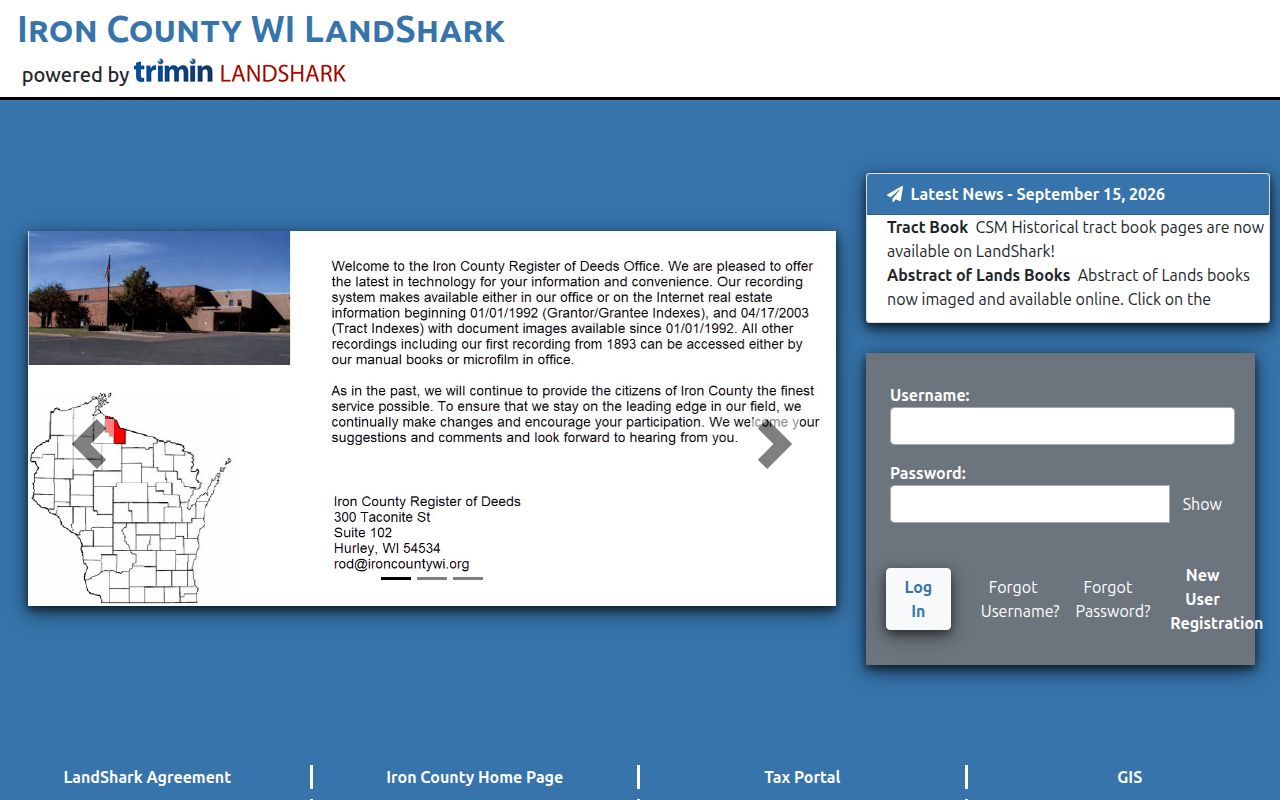
A name match alone proves nothing. Read the legal description and the parties in the instrument before stepping further back through the deed records.
Former Iron County Property Owners in a Deed Chain
A good timeline records only what sources support. Leave unknown dates blank. Never guess a sale year or treat a tax-roll name as a deed transfer. The table below is a working sequence for organizing an Iron County parcel search, not a sample owner's history.
| Backward step | Party role to locate | Evidence to record | Check before continuing |
|---|---|---|---|
| Most recent confirmed deed | Current grantee | Recording date and document reference | Match its legal description to the parcel |
| Prior conveyance | Current grantor as earlier grantee | Earlier deed and listed parties | Compare lot, tract, or section wording |
| Older indexed transfer | Prior grantor or grantee | Book/page, instrument, or tract entry | Check for name or entity variations |
| Pre-index material | Party or abstract reference | Abstract-book number and office lead | Request the underlying historic record |
Tracing Iron County Former Property Owners Backward
Begin with the newest confirmed deed in Iron County. Trace each earlier conveyance through the grantor-grantee index. The aim is to tie a sequence of instruments to one legal description, not to pile up names. A parcel number finds the modern record. Keep the legal description beside every older instrument as the search moves into earlier books.
- Find the latest deed that lists the current grantee and confirm its legal description.
- Write down the grantor and search that party as a grantee in an earlier deed.
- Repeat the comparison with each prior deed, recording the instrument reference and the land description.
- When the indexed chain stops, check the abstract-book list or ask the custodian about the specific older reference.
- Grantor / grantee
- The party conveying an interest and the party receiving it, as named in the instrument.
- Chain of title
- The sequence of transfers and related instruments that leads to the present record.
- Legal description
- The land description used to connect older instruments when street addresses are absent or changed.
Iron County Former Property Owners in Abstract Books
Iron County holds 35 abstract-of-title books covering abstract numbers 1 through 107347. When the tract index stops supplying an earlier link, an abstract number gives the office a narrower place to look. Older documents are back-scanned as time permits. No earliest online date fits every parcel or instrument.
Keep parties, legal description, date, and document number together. The Register of Deeds does not run title searches or interpret documents. Ask for a specific record. Take legal conclusions to a title professional. An abstract reference is a lead, not a substitute for the recorded instruments.
Former Iron County Property Owners in Probate and Estate Transfers
Estates can break a simple person-to-person deed chain. A personal representative deed, trustee conveyance, or decedent-interest filing may name a fiduciary or an entity rather than the person on the prior deed. Search those exact parties in LandShark. Hold the legal description in view to stay on the same property. Wisconsin Circuit Court Access is the public starting point for finding an Iron County probate or foreclosure case. Vital records can also fix historical dates.
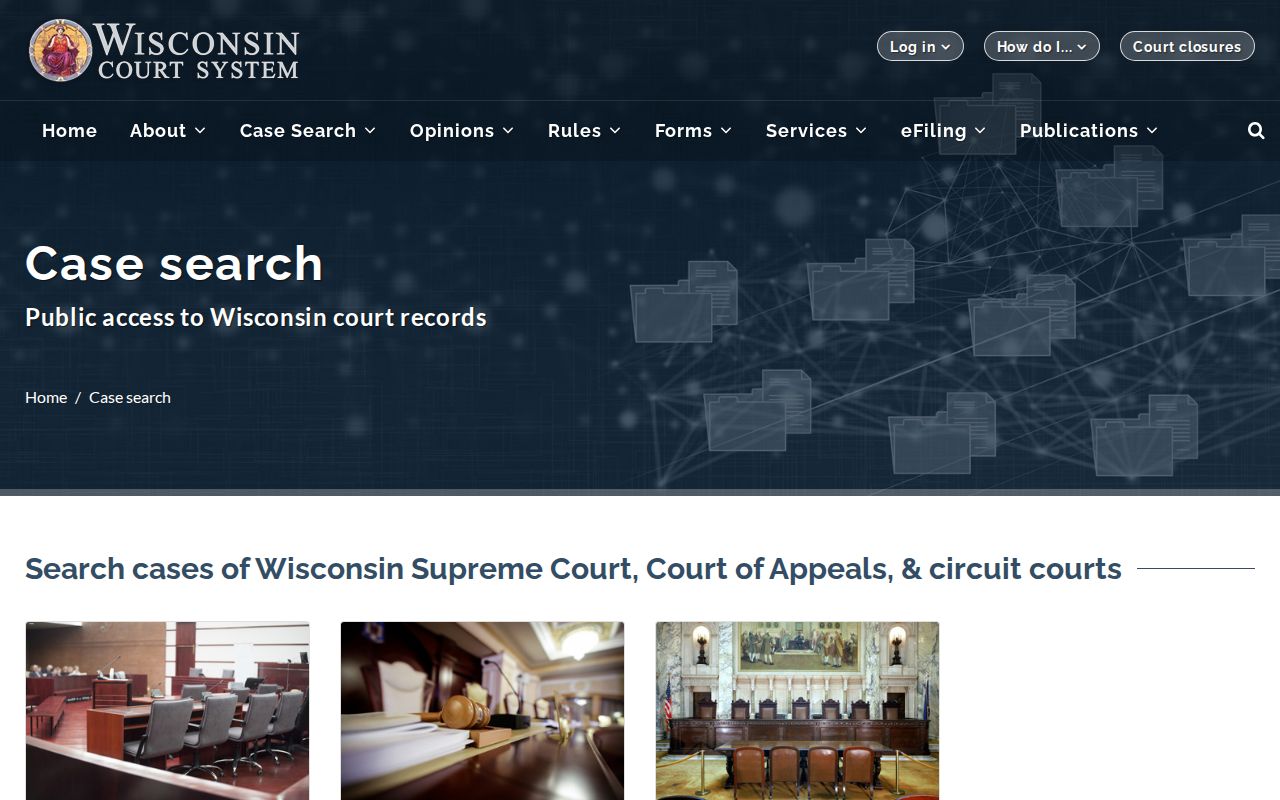
The statewide case search covers every county, not one docket. Enter a party name and county there. The case summary is not the full file. Ask the local Clerk of Courts for the public probate record. Then compare it with the recorded conveyance at the Register of Deeds.
Vital records can establish historical dates. Wisconsin eligibility and date rules apply. The Wisconsin DHS vital records applications page lists state request forms for eligible birth, death, marriage, divorce, and non-marriage certificates.
Note: use the correct form and current eligibility instructions, since a public deed does not make every certificate open.
Historic Maps for Former Iron County Property Owners
Old maps can anchor a faded land description. Iron County's mining past makes that link especially useful. The Wisconsin Historical Society holds Hurley Sanborn maps from 1891, 1898, and 1905, an 1886 bird's-eye view, a 1930 topographic map, and a 1938 WPA history. Montreal's company-location files add an original plat and townsite expansion context.
Treat these sources as leads only. The ownership link still lives in the recorded deed or abstract, so bring each lead back to that instrument. Hurley's courthouse and mining-era maps tell a different story from Montreal's company-town lots. Maps alone prove nothing about title. No historic label should stand in for a modern subdivision or a current title record without recorded-plat support.
Wisconsin's genealogy access page lays out the date ranges open for in-person index searches.
Genealogy gives the lead; the recorded deed proves it.
Requesting an Older Deed for Former Iron County Property Owners
A precise request gets better results. Include the parcel or full legal description. Add both parties if you know them, plus an approximate period and a document, book/page, tract-book, or abstract reference. The Register of Deeds does not perform real-estate searches for the public. A defined reference therefore works far better than a request to trace every former owner of a piece of land.
Wisconsin Public Records Law supplies the formal route. Use it with any exemptions in mind. Ask for electronic copies first, and request an estimate when locating or reproduction costs matter. The county's LandShark agreement charges $2 to view a document and $1 to download it. That agreement lists no other copy or certification fees. Confirm current costs and any return requirements with the custodian.
Where Iron County's Former-Owner Trail Reaches Its Limit
The online trail begins in 2003. That year marks the start of computerized deed indexing and imaging in Iron County. Older records keep arriving. Because the county publishes no single first year for its deed archive, an empty query marks a search limit, not the start of ownership; keep working through the abstract-book listing. Otherwise, ask the custodian for a known older deed.
Lawful use. Research former owners for a property's history or a legitimate title question. Do not use historic ownership records to track, harass, or target a living person.